
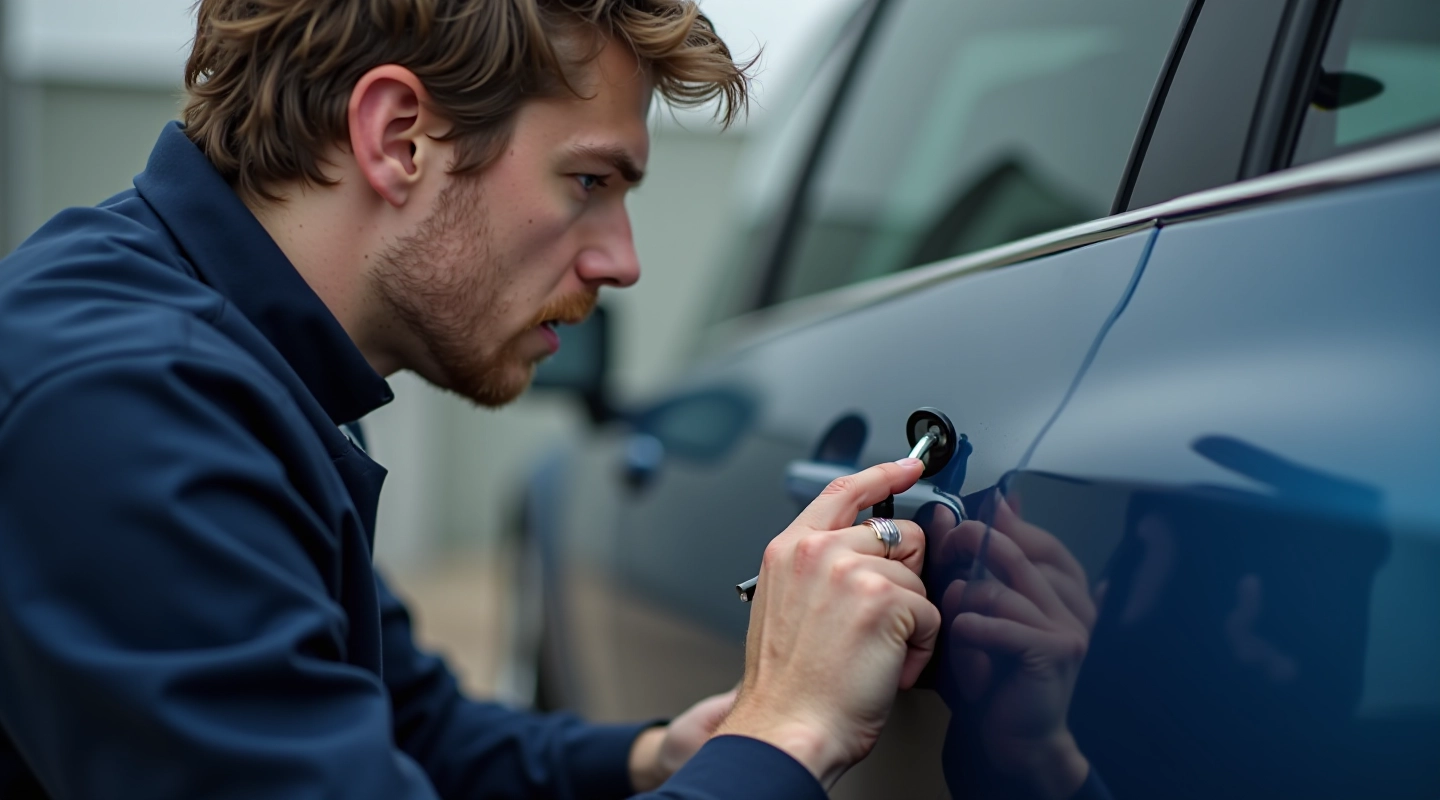
How Paintless Dent Removal Works
Understand the PDR process — from initial assessment to final finishing. We explain the techniques, tools, and why this method preserves your original paint.
Read ArticleAfter your vehicle's dents are repaired, protecting the paint is essential. Learn about protective coatings, maintenance routines, and long-term care strategies that keep your car looking pristine.
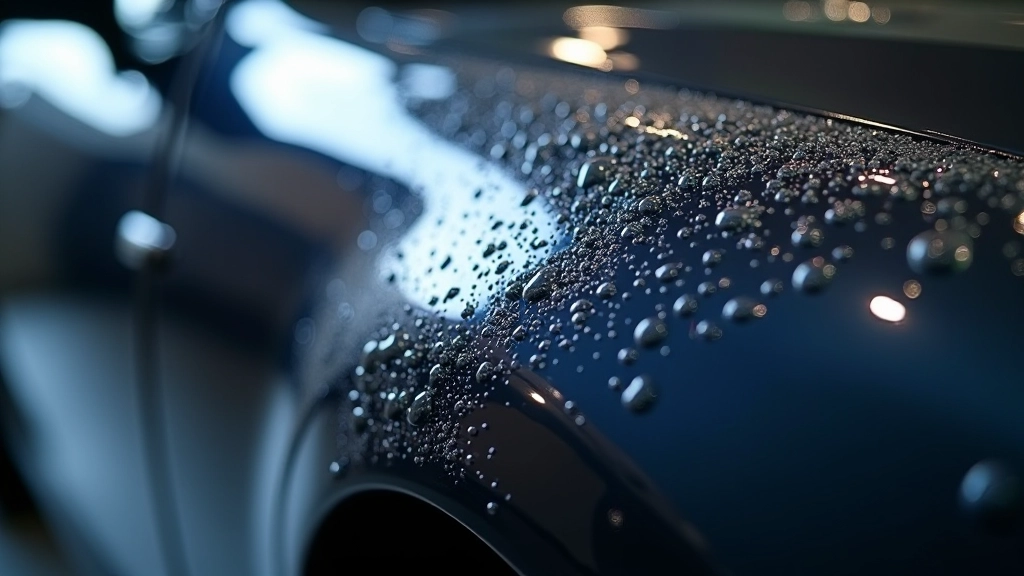
Your vehicle's paint isn't just about looks — it's the first line of defense against rust, oxidation, and environmental damage. After dent repairs, that fresh paint job needs proper care to maintain its finish and protect the underlying metal.
The good news? Protecting your paint doesn't require complicated procedures or expensive equipment. It's about understanding your options, establishing a maintenance routine, and making informed choices about protection methods that fit your lifestyle.
Ceramic coatings, wax, and sealants create layers between your paint and the environment.
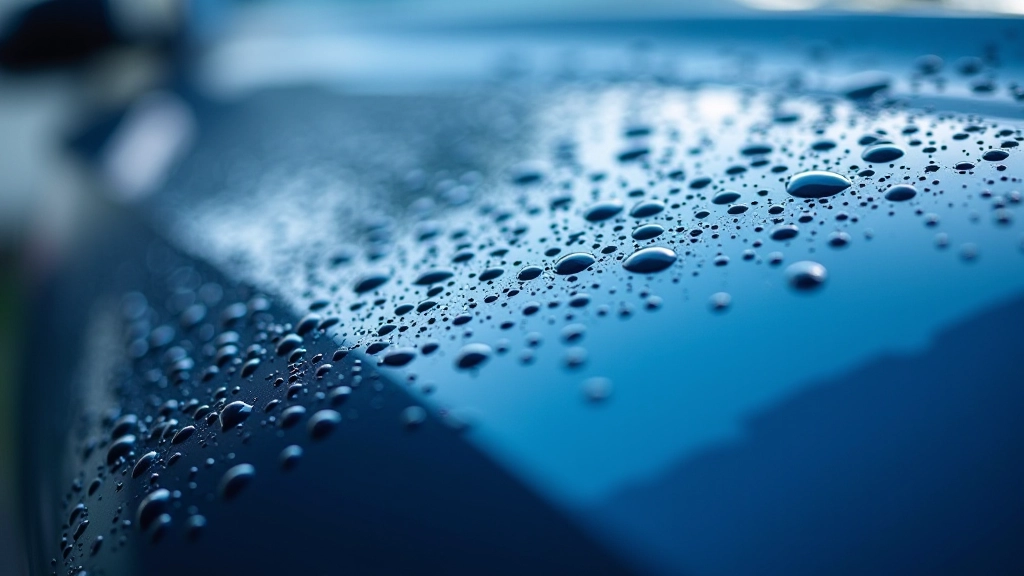
Quality coatings cause water to bead and roll off, preventing spots and mineral deposits.
Protects against sun damage, fading, and oxidation that weakens paint over time.
There's no single "best" protection method — it depends on your budget, how much time you want to invest, and what kind of protection you're after. Let's break down the main options you'll encounter.
Professional-grade ceramic coatings create a hard, semi-permanent layer on your paint. They're hydrophobic, meaning water beads right off. Most last 2-5 years depending on the product and how well you maintain it. They're more expensive upfront but require less frequent reapplication than traditional wax.
These synthetic products sit between traditional wax and ceramic coatings in terms of durability and cost. They typically last 6-12 months and provide solid UV protection and water resistance. Easier to apply than ceramics, more durable than wax.
The classic choice. Carnauba or synthetic wax is affordable, relatively easy to apply yourself, and gives your paint that deep, glossy look. The tradeoff? You're reapplying every 3-4 months. It's water-repellent but not quite as durable as other options.
A clear, self-healing film applied to vulnerable areas like the hood, bumper, and mirrors. It physically shields the paint from chips, scratches, and minor impacts. Professional installation is recommended. This is the most durable option for high-wear areas.
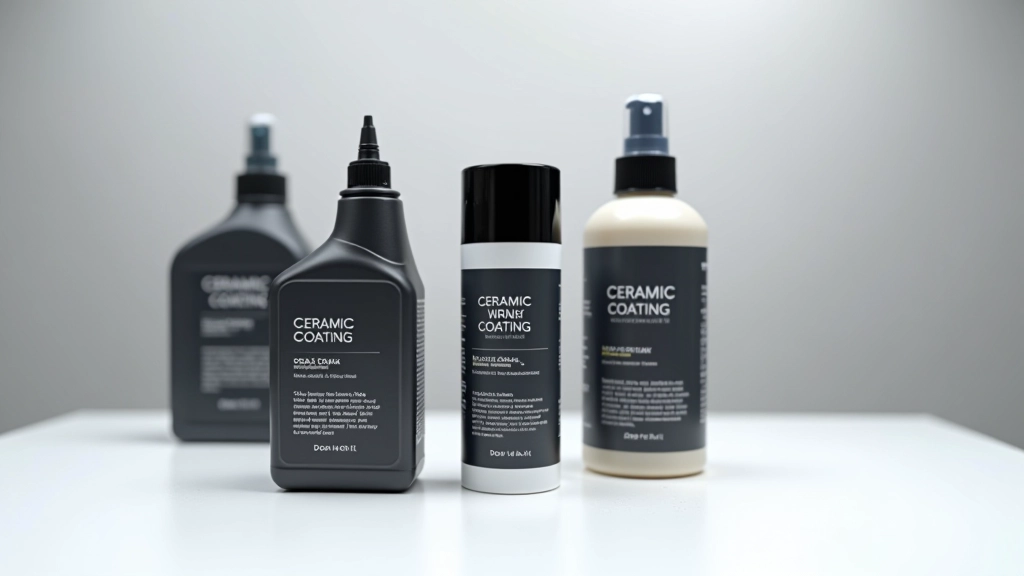
This guide provides educational information about paint protection options and maintenance. Product performance varies based on application, climate, driving conditions, and maintenance frequency. Always follow the manufacturer's instructions for any product you use. Results aren't guaranteed and individual circumstances differ.
Explore more about paintless dent repair and vehicle care
Understand the PDR process — from initial assessment to final finishing. We explain the techniques, tools, and why this method preserves your original paint.
Read Article
What to look for after a hailstorm. We break down how to identify damage, when PDR is the right choice, and next steps for repair.
Read Article
How our mobile service works — we come to you. What to expect during the appointment, how long repairs take, and the advantages of on-site service.
Read Article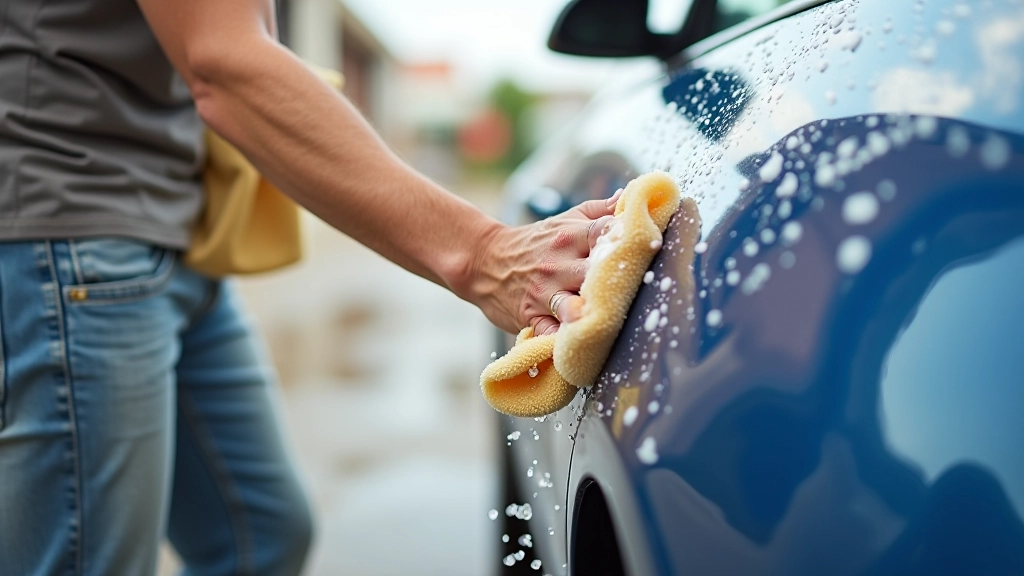
The best protection won't work if you're not maintaining it properly. Think of maintenance as keeping your investment in good shape. It doesn't have to be complicated or time-consuming.
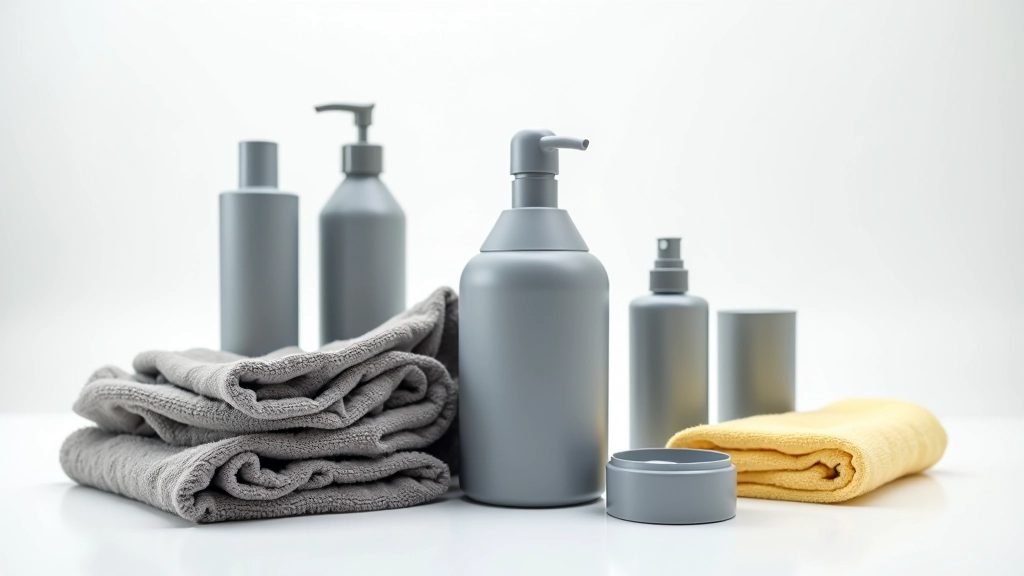
Every 2 weeks is ideal, or sooner if you live near salt water or dusty areas. Use a pH-neutral car wash and soft microfiber mitts. This removes contaminants that can damage your coating.
Always use a clean microfiber drying towel. Letting water air-dry leaves mineral spots. This simple step makes a huge difference in how your paint looks long-term.
Whether it's wax every 3-4 months or sealant every 6 months, stick to a schedule. Mark it on your calendar if that helps. Regular reapplication keeps your protection effective.
Whenever possible, use shade or a garage. UV rays fade paint even with protection applied. If you're in direct sun regularly, that's another reason to reapply more frequently.
Even with good intentions, there are some habits that can undermine your paint protection efforts. Here's what not to do:
Strong degreasers and acidic cleaners break down protective coatings. Stick to products designed for coated vehicles. If you're not sure, it's better to use mild soap and water.
Dirt and contaminants accumulate and can etch through your coating if left sitting. It doesn't take long — weekly or bi-weekly washing keeps these problems from starting.
Salt, pollen, tree sap, and bird droppings are more prevalent in certain seasons. Don't just wash when it looks dirty — wash based on what's in your environment.
Applying wax over ceramic coating or using incompatible products can create buildup and reduce effectiveness. Choose your protection method and stick with compatible products.
Your vehicle's paint is an investment worth protecting. When you've just had dent repairs done, that fresh paint represents a real opportunity to get the protection right from the start. The choices you make now will affect how your car looks in 3, 5, and 10 years.
A consistent maintenance routine doesn't require hours of work. It's about building simple habits: washing regularly, drying properly, reapplying coating on schedule, and parking wisely when you can. These small actions compound over time.
Remember that no protection is permanent. Even the best ceramic coatings wear down gradually. But that doesn't mean your paint is unprotected — it means you're maintaining a system. When you reapply coating or refresh your wax, you're resetting the protection cycle.
Choose a protection method that fits your lifestyle and budget, commit to a maintenance schedule, and stick with it. Your freshly repaired paint will thank you for the attention.

Editorial Team
Written by the marloflow editorial team, focused on clear, practical guidance about paintless dent repair and hail damage solutions.
Your vehicle's paint deserves attention and care. Whether you choose ceramic coating, sealant, wax, or a combination approach, the important thing is getting started now — right after your dent repairs — while your paint is in its best condition.