
Assessing Hail Damage on Your Car
What to look for after a hailstorm. We break down how to identify damage, when PDR is suitable, and what your insurance might cover.
Why Hail Damage Assessment Matters
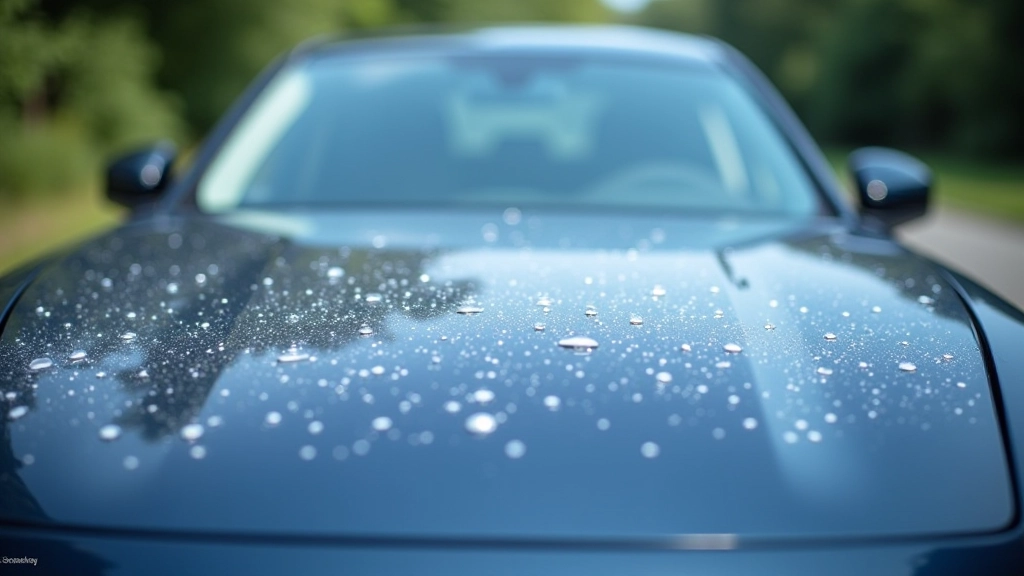
After a hailstorm rolls through, your car might look fine at first glance. But don't be fooled — hail leaves behind damage that's often subtle at first. Small dents accumulate quickly, and they're not just cosmetic issues. They can affect your car's resale value, lead to rust problems if the paint's compromised, and create headaches with insurance claims if you don't document everything properly.
The key is knowing what you're looking for. We'll walk you through the assessment process so you can identify damage accurately and decide whether paintless dent repair is the right solution for your situation.
How to Spot Hail Damage
Look for the Pattern
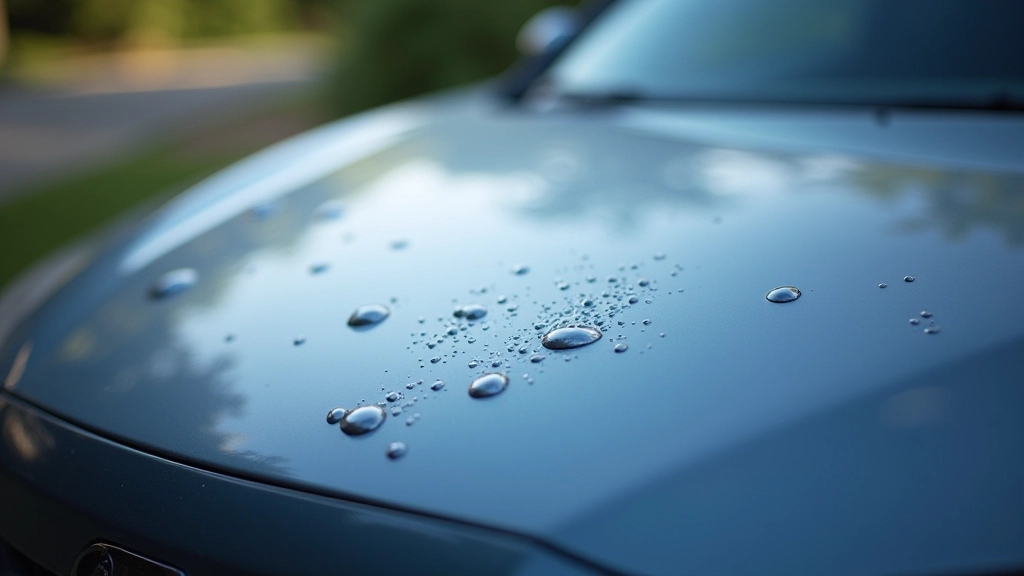
Hail damage has a distinctive look. You'll see multiple small, round dents scattered across the car's surfaces — usually on the roof, hood, trunk, and upper panels. Unlike collision damage, which tends to be localized, hail impacts everything the storm touched. The dents are typically shallow but numerous, creating that "dimple" effect you might recognize from golf balls.
Check Multiple Angles
Walk around your car slowly. Inspect it from different angles and in different lighting. Sunlight at a low angle (early morning or late afternoon) makes dents much more visible than midday sun. Look at reflections in the paint — distorted reflections indicate dents. Don't just check the obvious spots. Look at the roof edges, the sides of the hood, the rear quarter panels, and even the trunk sides.
Pro tip: Run your hand gently across the surface. You'll feel what you might not see. That tactile check catches dents that photographs often miss.
Grading the Severity
Minor Damage
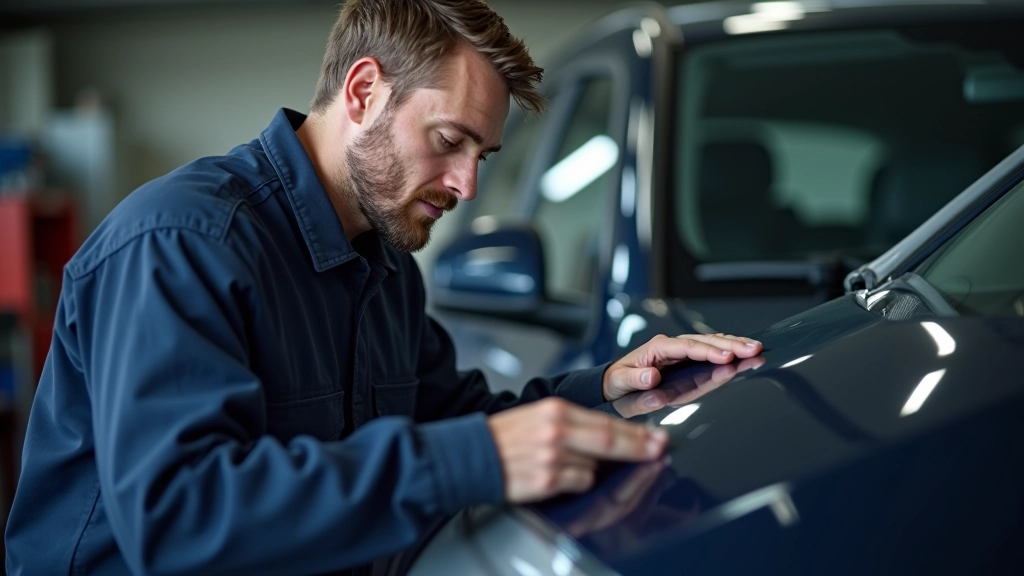
Scattered small dents (less than 1 inch across). No paint damage or creasing. This is where paintless dent repair shines. Most of your panels fall into this category.
- Dents under 1 inch
- Paint intact
- PDR suitable
- Usually covers 70% of hail damage
Moderate Damage
Larger dents (1-2 inches) or some paint cracking at the impact points. PDR might still work for some areas, but not all. You'll likely need a mix of repair methods.
- Dents 1-2 inches
- Minor paint cracking
- Partial PDR suitable
- May need touch-up paint
Severe Damage
Large dents (over 2 inches), significant paint loss, or creases in the metal. This typically requires traditional bodywork and repainting. PDR isn't an option here.
- Dents over 2 inches
- Significant paint damage
- Metal creasing
- Traditional repair needed
Related Articles
Continue learning about PDR and hail damage solutions
How Paintless Dent Removal Works
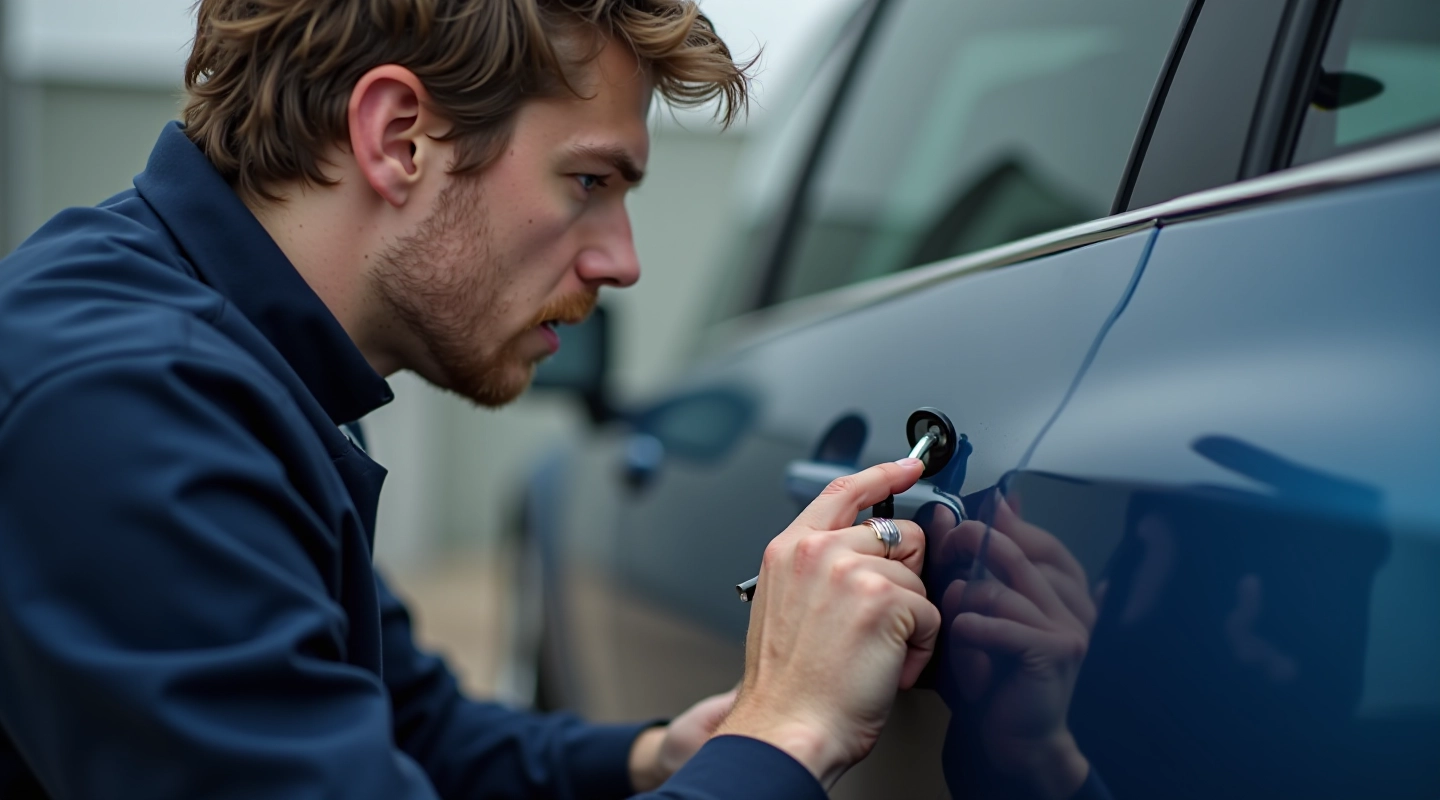
Understand the PDR process — from initial assessment to final finishing. We explain the tools, techniques, and why it works so well.
Read More
Mobile Repair Service Explained
How our mobile service works — we come to you. What to expect during the appointment and how it saves you time.
Read More
Protecting Your Paint After Repairs
Post-repair care matters. Learn about paint protection options, maintenance routines, and how to keep your repair looking perfect.
Read MoreIs Your Damage Suitable for PDR?
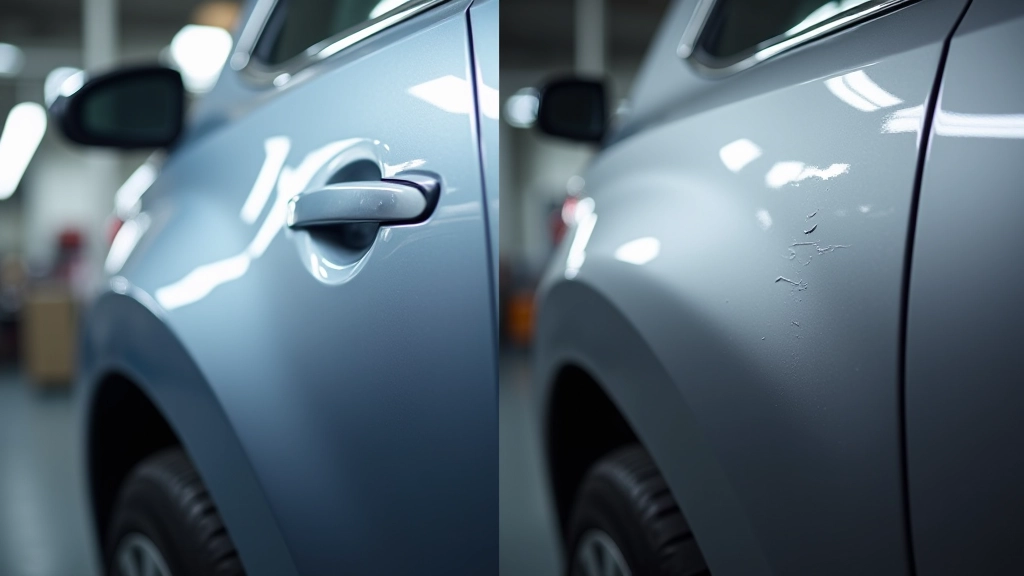
Paintless dent repair works best on hail damage that meets specific criteria. The dent needs to be accessible from behind (which most roof and hood dents are), the paint must be intact, and the dent shouldn't be creased. If these conditions are met, PDR can restore your car to near-factory condition without repainting.
Important Information
This guide is informational and intended to help you understand hail damage assessment. Actual repair options, costs, and insurance coverage vary based on your specific situation, vehicle, and insurance policy. For professional assessment and repair recommendations, contact a qualified technician. Insurance claims processes differ by provider — contact your insurer directly regarding coverage details.
Insurance and Hail Damage Claims
Most comprehensive insurance policies cover hail damage. However, the process involves a few important steps. First, document everything with photos taken from multiple angles and in good lighting. Then contact your insurance company to file a claim. They'll typically send an adjuster to assess the damage and estimate repair costs.
Here's something important: if your deductible is high (say $1,000 or more), it might actually make sense to skip the insurance claim if damage is minor. Why? Because paintless dent repair is often cheaper than the deductible, and filing a claim could affect your rates. Do the math before you decide.
Documentation Tips
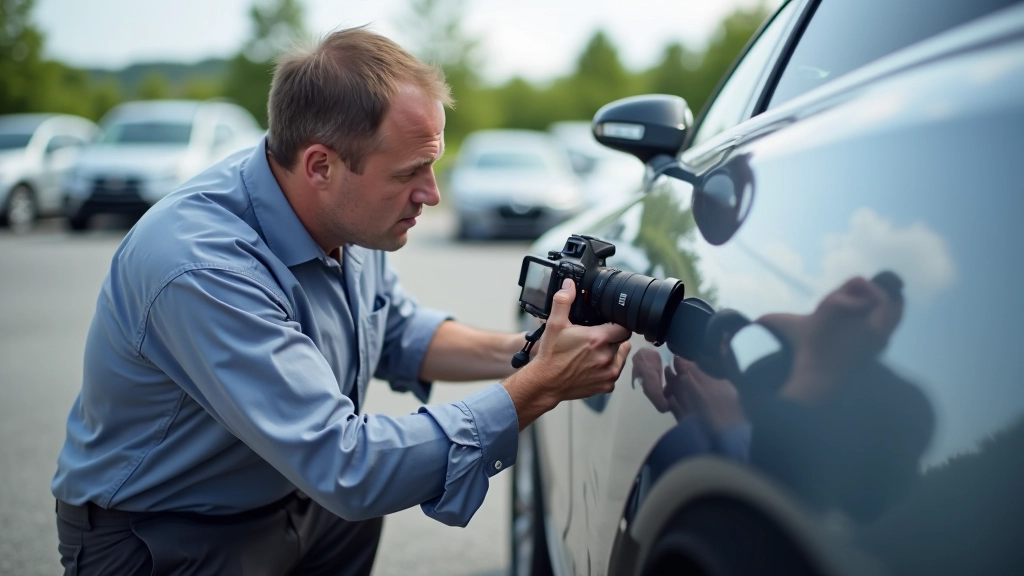
Take photos of the overall damage pattern from above and from the sides. Get close-ups of individual dents. Include photos showing the extent of damage across different panels. Date your photos (most phones do this automatically). Keep receipts from any professional inspections or quotes you obtain. This documentation is crucial if the adjuster and you disagree about damage severity.
Next Steps After Assessment
Once you've assessed your hail damage, you've got clear options. If the damage is minor to moderate and meets PDR criteria, you're looking at a fast, affordable repair that preserves your paint. If it's more severe, traditional repair might be necessary. Either way, the key is acting sooner rather than later — rust can develop quickly if paint is compromised, and waiting only makes things worse.
Get a professional assessment from someone experienced with hail damage. They'll give you honest feedback about what's repairable and what isn't. And don't let minor damage slide. Those small dents add up in terms of resale value and long-term paint health. Addressing hail damage promptly is one of the smartest decisions you can make as a car owner.
Ready to assess your damage?
Contact our team for a professional hail damage assessment and repair estimate.
Get in Touch